Too text-heavy
Forms and surveys exclude people who prefer audio or have limited literacy.

Location-based citizen feedback for public spaces and services helps governments, cities, and NGOs gather simple feedback through QR codes, audio prompts, and lightweight analytics.

Forms and surveys exclude people who prefer audio or have limited literacy.
Workshops and field surveys take time, budget, and coordination.
Feedback is often not gathered where people actually experience the place or service.
Many methods are difficult to deploy across multiple touchpoints or over time.
cit.fm adds a lightweight listening layer to posters, public spaces, service environments, and campaign materials - helping organizations hear from citizens where the experience actually happens.

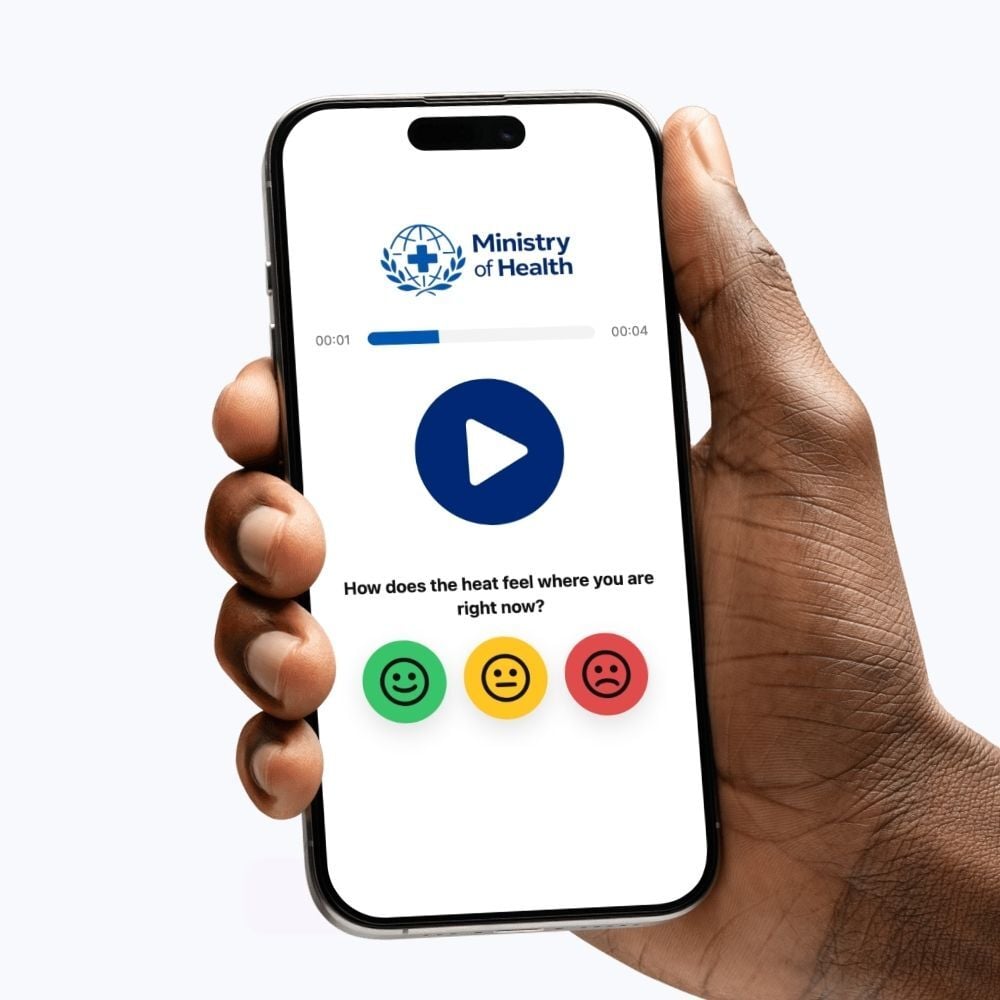
Short spoken questions in local languages, accessible through QR codes and short links.
People respond through a very simple interaction, such as three faces or yes/no.
Use cit.fm at service points, transport hubs, public spaces, noticeboards, or campaign surfaces.
No app, no login, no long form, and no literacy required.
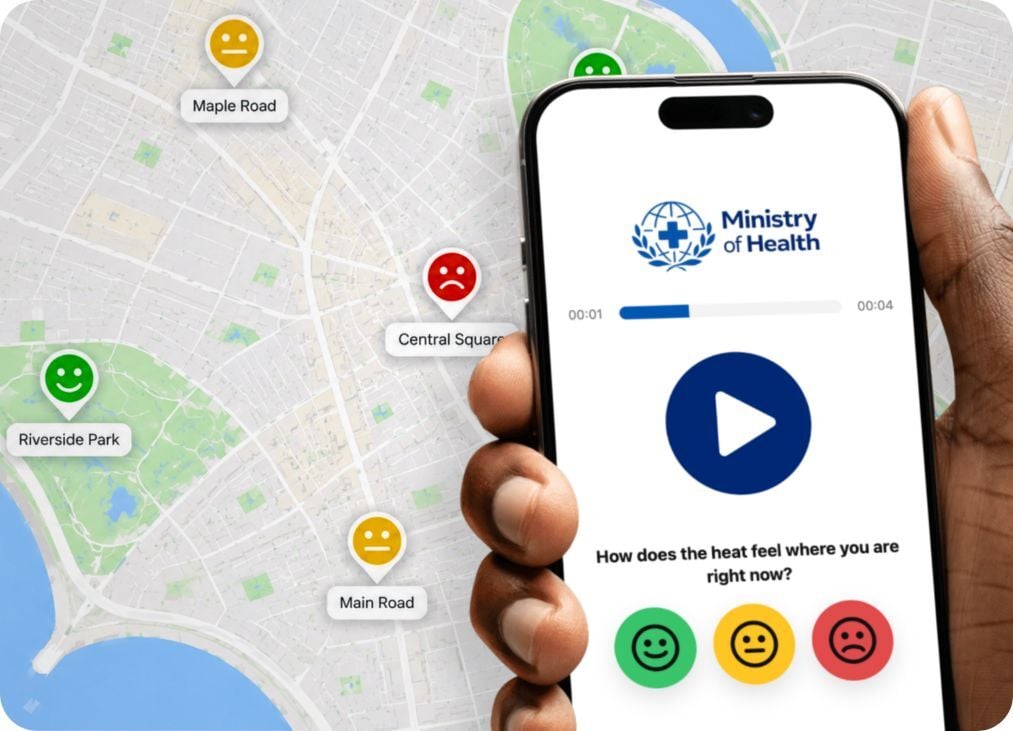
Track scans, responses, and feedback trends through a lightweight dashboard.
Start with one location, one issue, or one public-facing use case - and learn quickly.

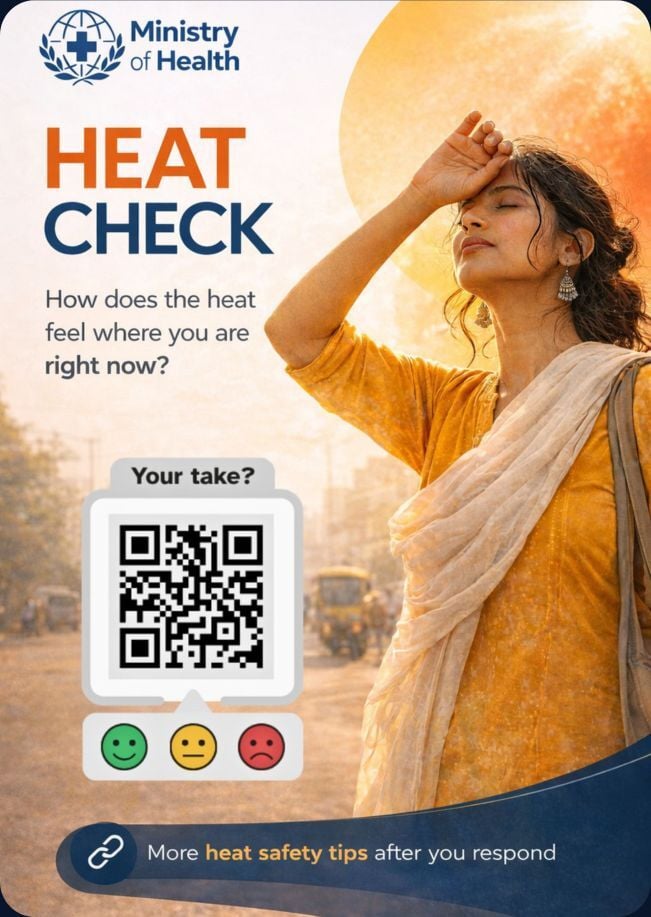
In many cities, heat is no longer just a weather condition. It is a public experience that affects mobility, comfort, health, and access to services.
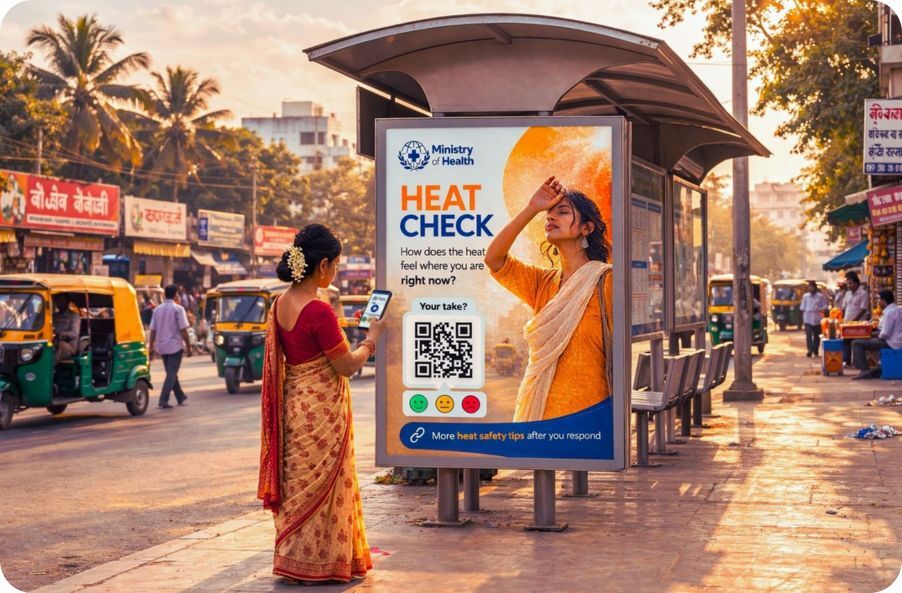
With cit.fm, a poster at a bus stop, service point, clinic, or public square can invite people to share how hot it feels in that place right now.
Citizens scan a QR code, hear a short audio prompt in their language, and respond in seconds.
The result is a simple, location-based feedback signal that helps public actors understand where heat is most strongly felt and where additional action or communication may be needed.
This is the kind of public-facing moment cit.fm is designed for: practical, place-based feedback that should be easy to give, easy to understand, and easy to act on.
cit.fm is not a replacement for formal research, surveys, or community engagement processes. It is a lightweight listening layer that public actors can add to the places and materials they already use.

For governments, NGOs, and implementing partners, cit.fm can support lightweight feedback loops across public-facing issues such as:
cit.fm is designed for governments, municipalities, NGOs, public agencies, and programme teams that need simple citizen feedback from public-facing environments.
No. cit.fm works through a short URL and QR code in the browser.
Yes. cit.fm is designed to stay lightweight and accessible on standard smartphones.
Yes. Audio prompts can be provided in local languages to make participation more accessible.
Typical metrics include scans, response volume, and simple feedback patterns by location or deployment point.
A first pilot can focus on one issue, one location type, one simple question, and a small number of public touchpoints.
Yes. cit.fm is well suited to pilots and public-facing initiatives in areas such as climate resilience, public services, urban governance, mobility, and community engagement.
No. cit.fm is not meant to replace full surveys. It is a lightweight way to gather quick feedback at the point of experience.
Let’s explore how cit.fm could help you gather citizen feedback at one real location, service point, or pilot environment.
Or start with the demo first.